

Choosing the right chlorine product is crucial for maintaining a clean, safe, and inviting pool. Common Swimming Pool Chemicals are Trichloroisocyanuric Acid (TCCA) and Calcium Hypochlorite (Cal Hypo), often compared for their effectiveness, ease of use, and cost. In this article, we will explore the differences between these two products to help you make an informed choice for your pool.
Related article: Which is Better: SDIC or Cal Hypo?
What Are TCCA and Cal Hypo
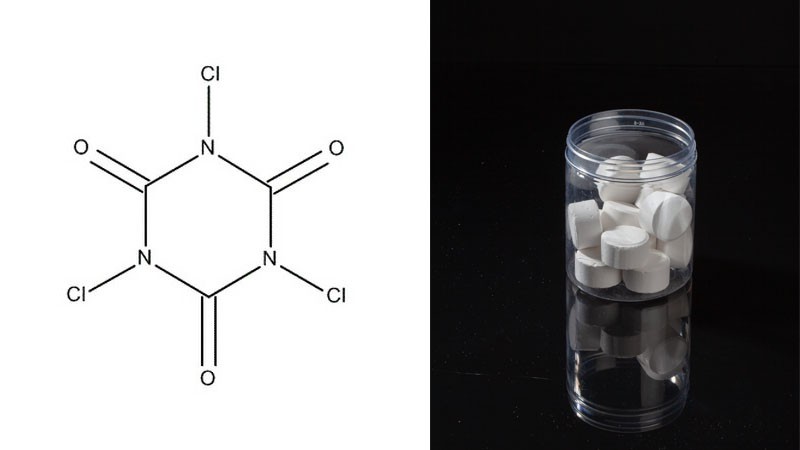
What is TCCA
Trichloroisocyanuric Acid (TCCA, Symclosene or Trichlor) is a chlorine compound widely used in swimming pools. It contains around 90% available chlorine, making it one of the most concentrated forms of chlorine available. The high concentration allows for efficient and long-lasting disinfection, even in large pools. TCCA chemical also has a slow-dissolving property, making it an ideal option for continuous chlorination.
What is Cal Hypo
Calcium Hypochlorite, commonly referred to as Cal Hypo, is another widely used chlorine compound. It typically contains about 65% to 75% available chlorine. Unlike TCCA chemical, Cal Hypo dissolves quickly, which can make it suitable for pool shock treatments but less effective for maintaining consistent chlorine levels over time.

Why TCCA Outshines Cal Hypo
High Chlorine Content
90% chlorine concentration of TCCA is significantly higher than that of Cal Hypo. It means you need less product weight to achieve the same sanitizing effect, reducing the overall cost and handling requirements.
Shelf Life
TCCA chemicals have a long shelf life, and as long as you store them correctly, they won't lose too much available chlorine. In contrast, Cal Hypo tablets will lost 4%-8% of available chlorine within a year.
Minimal Residue and Scaling
TCCA chemical produces less residue compared to Cal Hypo, which often introduces calcium into the water. Over time, excessive calcium can lead to scaling on pool surfaces and equipment, requiring additional maintenance and cleaning.
Cyanuric Acid Stabilization
TCCA chemical is stabilized chlorine, containing cyanuric acid, which acts as a pool stabilizer to protect chlorine from being degraded by sunlight. This is especially important for outdoor pools, where UV exposure can rapidly reduce chlorine levels. Cal Hypo, on the other hand, does not include cyanuric acid, necessitating the separate addition of a stabilizer.
Related article: What is the Difference Between Stabilized and Unstabilized Chlorine
Ease of Storage and Transportation
Due to its lower reactivity and compact form, TCCA chemical is safer and easier to store and transport than Cal Hypo. This makes it a preferred choice for both residential and commercial pool operators.
When To Consider Cal Hypo
While TCCA offers many advantages, there are certain situations where Cal Hypo might be more suitable. For example, if your pool water has low calcium hardness, Cal Hypo can help raise the calcium levels. Additionally, it's an excellent choice for shock treatments, as its fast-dissolving nature delivers a quick boost of chlorine.
Related topics:
What's the Best Pool Shock for Your Swimming Pool
How to Shock a Swimming Pool Properly
Conclusion
When comparing swimming pool chemicals, TCCA emerges as the more efficient, cost-effective, and user-friendly option for most pool owners. Its high chlorine concentration, slow-dissolving properties, and built-in cyanuric acid stabilizer make it an ideal solution for maintaining clean and safe water.

If you are looking for high-quality swimming pool chemicals, we are here to help. With 28 years of expertise in supplying SDIC, TCCA, Cal Hypo, etc., our products are trusted by pool owners worldwide. Contact us today to learn more about our range of swimming pool chemicals, and find the perfect solution for your pool maintenance needs.