

Hey there! As a supplier of Calcium Hypochlorite Granules, I've seen firsthand how these little granules can be a game - changer in many applications, including ice - making machines. But like any good thing, they come with their own set of potential problems. Let's dive right in and explore what those might be.
1. Corrosion of Machine Components
One of the most significant issues when using Calcium Hypochlorite Granules in ice - making machines is the risk of corrosion. Calcium Hypochlorite is a strong oxidizing agent. When it dissolves in water, it releases hypochlorous acid, which is great for killing bacteria and other pathogens, but it can also be tough on the metal parts of an ice - making machine.
Over time, the hypochlorous acid can react with the metal surfaces inside the machine, such as the evaporator coils, pipes, and valves. This reaction can lead to the formation of rust and other corrosion products. As corrosion progresses, it can weaken the structural integrity of these components. For example, a corroded pipe might start to leak, or a valve could malfunction. This not only affects the performance of the ice - making machine but can also lead to costly repairs or even the need for a complete replacement of the machine.
2. Scale Formation
Another problem is scale formation. Calcium Hypochlorite contains calcium ions. When the granules dissolve in water, these calcium ions can combine with other substances in the water, like carbonate ions. This combination results in the formation of calcium carbonate scale.
Scale can build up on the surfaces of the ice - making machine, especially on the heat exchange surfaces. The presence of scale acts as an insulator, reducing the efficiency of heat transfer. In an ice - making machine, efficient heat transfer is crucial for the freezing process. When scale forms, the machine has to work harder to achieve the same level of ice production. This means increased energy consumption, which translates to higher electricity bills. Moreover, if the scale is not removed in a timely manner, it can cause the machine to overheat, leading to premature wear and tear of the compressor and other vital components.

3. Chlorine Residue in Ice
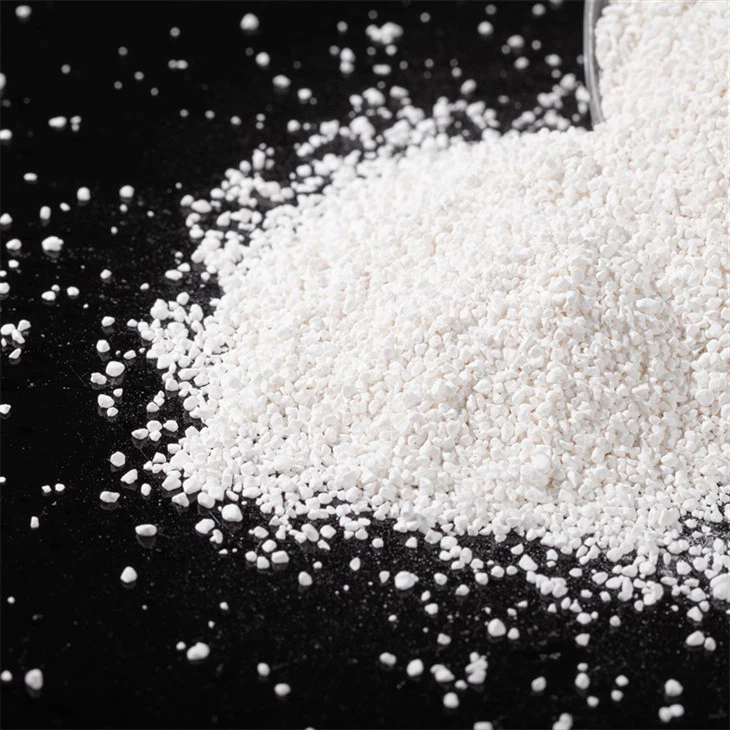
Using Calcium Hypochlorite Granules can also leave a chlorine residue in the ice produced by the machine. While a small amount of chlorine is acceptable as it helps to keep the ice hygienic, an excessive amount can be a problem. Chlorine has a distinct taste and odor. If the ice has too much chlorine residue, it can impart an unpleasant taste and smell to any beverage or food it comes into contact with.
This is particularly concerning in the food and beverage industry, where the quality of the ice is directly related to the quality of the end - product. For example, in a bar or a restaurant, customers expect clear, odorless, and tasteless ice. If the ice has a strong chlorine smell or taste, it can negatively impact the customer experience and even lead to complaints. Additionally, some people may be sensitive to chlorine, and consuming ice with high chlorine levels can cause health issues such as irritation of the respiratory system or digestive problems.
4. Incompatibility with Certain Materials
Ice - making machines often contain various types of materials, including rubber gaskets and plastic components. Calcium Hypochlorite may not be compatible with all of these materials. The strong oxidizing properties of the granules can cause some rubber gaskets to deteriorate over time. The rubber may become brittle, crack, or lose its elasticity. This can lead to leaks around the seals, allowing water to escape from the machine.
Similarly, certain types of plastics can be affected by Calcium Hypochlorite. The chemical can cause the plastic to become discolored, deformed, or even break down. This can compromise the functionality of the machine and pose a safety risk if small plastic pieces end up in the ice.
5. Impact on Water Quality
The use of Calcium Hypochlorite Granules can also have an impact on the overall water quality in the ice - making machine. When the granules are added to the water, they can change the pH level of the water. Calcium Hypochlorite tends to make the water more alkaline.
An improper pH level can have several consequences. First, it can affect the effectiveness of the disinfection process. The activity of hypochlorous acid, the main disinfecting agent, is pH - dependent. If the pH is too high or too low, the disinfecting power of the hypochlorous acid can be reduced, leaving the water and the ice more susceptible to microbial contamination. Second, an alkaline pH can also contribute to scale formation, as mentioned earlier. The high pH can increase the solubility of calcium carbonate, making it more likely to precipitate out of the water and form scale.
6. Handling and Storage Risks
From a supplier's perspective, I also want to mention the handling and storage risks associated with Calcium Hypochlorite Granules. These granules are highly reactive and can be dangerous if not handled properly. They are a strong oxidizer and can react violently with organic materials, reducing agents, and other chemicals.
When adding the granules to the ice - making machine, operators need to take extra precautions. They should wear appropriate personal protective equipment, such as gloves and goggles, to avoid direct contact with the granules. Inhalation of the dust from the granules can also be harmful, causing respiratory irritation.
In terms of storage, Calcium Hypochlorite Granules should be stored in a cool, dry, and well - ventilated area. They should be kept away from sources of heat, moisture, and incompatible substances. If the granules are stored in a humid environment, they can absorb moisture and start to decompose, releasing chlorine gas. Chlorine gas is toxic and can cause serious health problems, including respiratory distress, eye irritation, and even death in high concentrations.
Alternatives to Consider
If you're facing these problems with Calcium Hypochlorite Granules in your ice - making machine, there are some alternatives you might want to explore. One option is Sodium Dichloroisocyanurate Granules. These granules also have disinfecting properties but may be less likely to cause corrosion and scale formation compared to Calcium Hypochlorite. Another alternative is Trichlor, which is a stable chlorine source that can provide effective disinfection.
Conclusion
While Calcium Hypochlorite Granules Calcium Hypochlorite Granules can be useful for disinfecting water in ice - making machines, they come with a range of potential problems. These include corrosion, scale formation, chlorine residue in ice, incompatibility with certain materials, impact on water quality, and handling and storage risks. However, with proper understanding and management, these problems can be mitigated.
If you're in the market for a reliable disinfectant for your ice - making machine and want to discuss the best options, whether it's Calcium Hypochlorite Granules or one of the alternatives, I'm here to help. Feel free to reach out to me for more information and to start a procurement discussion.
References
- "Handbook of Industrial Water Treatment", McGraw - Hill
- "Principles of Refrigeration and Air Conditioning", Pearson Education
- Industry reports on ice - making machine maintenance and chemical usage