

Can disinfectants damage surfaces? That's a question I get a lot as a supplier of disinfectants. And it's a valid concern because while we all want to keep our spaces clean and germ - free, we also don't want to ruin our precious surfaces in the process.
Let's start by looking at how disinfectants work. Most disinfectants contain active ingredients that break down the cell membranes of bacteria, viruses, and other pathogens. This is what gives them their germ - killing power. But these same active ingredients can also have an impact on the surfaces they come into contact with.
For example, some disinfectants are acidic. Acidic disinfectants are great at dissolving mineral deposits and can be very effective against certain types of bacteria. However, they can also etch or damage surfaces like marble, granite, and other natural stones. These stones are made up of calcium carbonate, which reacts with acids. Over time, the acid in the disinfectant can eat away at the surface of the stone, leaving it looking dull and worn.
On the other hand, alkaline disinfectants are often used for degreasing and can be very effective against oily and greasy messes. But just like acidic disinfectants, they too can have a negative impact on certain surfaces. Alkaline solutions can cause damage to aluminum surfaces. Aluminum is a reactive metal, and alkaline substances can cause it to corrode, leading to pitting and weakening of the material.
Let's talk about the disinfectants we supply. We offer a range of high - quality products, like Sodium Dichloroisocyanurate Granules. These granules are commonly used in swimming pools and spas to kill germs and keep the water clean. They're powerful disinfectants, but if not used correctly, they can cause problems. If the granules are spilled on a painted surface, for example, they can discolor or even damage the paint. The active chlorine in the sodium dichloroisocyanurate can react with the chemicals in the paint, causing it to peel or fade.

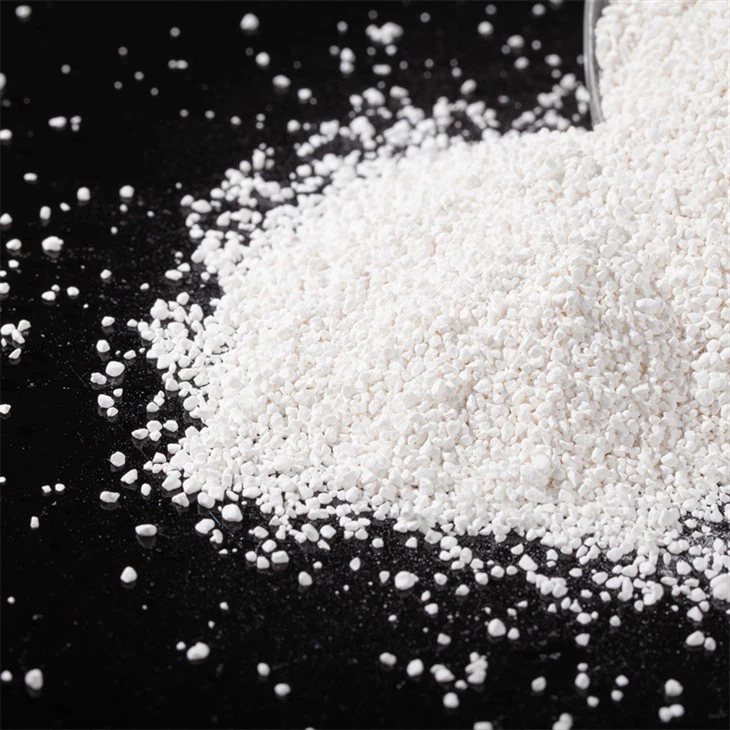
Another product in our lineup is Trichloroisocyanuric Acid Powder. This powder is also a popular choice for swimming pool disinfection. It releases a steady stream of chlorine into the water, keeping it safe and clean. However, if it comes into contact with certain plastics, it can cause the plastic to become brittle. The chlorine can break down the chemical bonds in the plastic, making it more likely to crack and break over time.
We also offer Customized NaDCC. This product is tailored to meet specific needs, and it's very effective at killing a wide range of germs. But again, it's important to use it carefully. If it's used in high concentrations on a wooden surface, it can dry out the wood and cause it to crack. Wood is a porous material, and the disinfectant can penetrate the pores, removing the natural oils that keep the wood flexible.
So, what can you do to prevent disinfectants from damaging surfaces? First of all, always read the label. The label will tell you what surfaces the disinfectant is safe to use on and what precautions you need to take. For example, it might recommend diluting the disinfectant for certain surfaces or avoiding contact with certain materials.
Secondly, do a patch test. Before you use a disinfectant on a large surface, try it on a small, inconspicuous area first. This will allow you to see how the surface reacts to the disinfectant without causing major damage. Wait for at least 24 hours after the patch test to see if there are any adverse effects.
Thirdly, use the right amount of disinfectant. Using too much disinfectant can increase the risk of surface damage. Follow the instructions on the label for the correct dilution and application rate.
Finally, rinse the surface thoroughly after using a disinfectant. This will remove any remaining disinfectant that could potentially cause damage over time. Use clean water and a clean cloth or sponge to rinse the surface.
As a disinfectant supplier, I understand that you want products that are both effective at killing germs and safe for your surfaces. That's why we're constantly researching and developing new formulations to minimize the risk of surface damage. Our team of experts is always on hand to answer your questions and provide advice on how to use our products safely.
If you're in the market for high - quality disinfectants and want to learn more about our products, or if you have any specific requirements, don't hesitate to reach out. We're here to help you find the right solutions for your disinfection needs. Whether you're a small business owner looking to keep your premises clean or a large facility manager in charge of a big complex, we've got you covered. Contact us today to start a discussion about how our disinfectants can work for you.
References
- "Disinfection and Sterilization in Healthcare Facilities" by the Centers for Disease Control and Prevention (CDC)
- "Surface Chemistry and Disinfectant - Material Interactions" from the Journal of Environmental Health
- "Safe Use of Disinfectants in Various Settings" by the World Health Organization (WHO)