

Silicone defoamers play a crucial role in the textile industry, helping to improve the efficiency and quality of various production processes. As an essential component of industrial water treatment chemicals, these specialized additives offer unique properties that make them indispensable in textile manufacturing. In this article, we will talk about the application of silicone defoamer in textile industry.
Understanding Foam Formation in Textile Processes
Foam formation is a common challenge in textile manufacturing, particularly during processes such as dyeing, finishing, and printing. Foam can cause several problems, including:
- Reduced product quality: Foam can lead to uneven dyeing, poor print quality, and defects in the final fabric.
- Increased production time: Excessive foam can slow down production processes and require additional time for cleaning and maintenance.
- Safety hazards: Foam can create slippery conditions on production floors, increasing the risk of accidents.

Why Choose Silicone Defoamer?
Silicone defoamer, also silicone antifoam, has the following advantages over other defoamers:
- Highly Effective Foam Control
Silicone defoamers are designed to eliminate foam quickly and efficiently. Unlike organic defoamers, they are highly effective at lower concentrations, offering cost savings without compromising performance.
- Broad Applicability
Silicone-based solutions are suitable for various textile processes, including dyeing, bleaching, and finishing. They perform well across a wide pH range and under high-temperature conditions, making them ideal for demanding environments.
- Non-Contaminating Properties
A significant advantage of silicone antifoam is its ability to control foam without altering the properties of the process. High quality silicone defoamers leave no residue, ensuring the quality and appearance of the final textile product.
- Compatibility with Industrial Water Treatment
Foam control is also essential in wastewater management within the textile industry. Silicone defoamer, as an excellent industrial water treatment chemical, helps to prevent foam buildup in effluent treatment plants. This ensures compliance with environmental regulations and maintains operational efficiency.
Benefits of Using Silicone Defoamer in Textiles
- Improved product quality: By reducing foam, silicone defoamers help to ensure even dyeing, consistent print quality, and a smoother fabric finish.
- Increased production efficiency: With less foam to contend with, the volume of the reactor can be utilized to the largest extent and production processes can run more smoothly and efficiently.
- Reduced downtime: Silicone defoamers can help to minimize downtime caused by foam-related issues.
- Enhanced safety: By creating a cleaner and safer working environment, silicone defoamers can help to reduce the risk of accidents.
- Versatility: Silicone defoamers are compatible with a wide range of textile chemicals and processes.
How Silicone Defoamer Works
- Spreading on the Foam Surface
Silicone antifoam, made from polydimethylsiloxane (silicone oil) and hydrophobic silica, has a low surface tension that allows it to spread rapidly across the foam. This disrupts the surfactant film that stabilizes the bubbles.
- Breaking the Bubbles
When the silicone defoamer penetrates the foam, it destabilizes the bubble walls, causing them to collapse. Its hydrophobic silica particles further aid in breaking the bubbles by displacing liquid in the foam structure.
- Preventing Foam Regeneration
Silicone defoamers leave a thin film on the liquid surface, which prevents new bubbles from forming. This film reduces surface tension, ensuring that the foam does not reappear, even in dynamic processes.
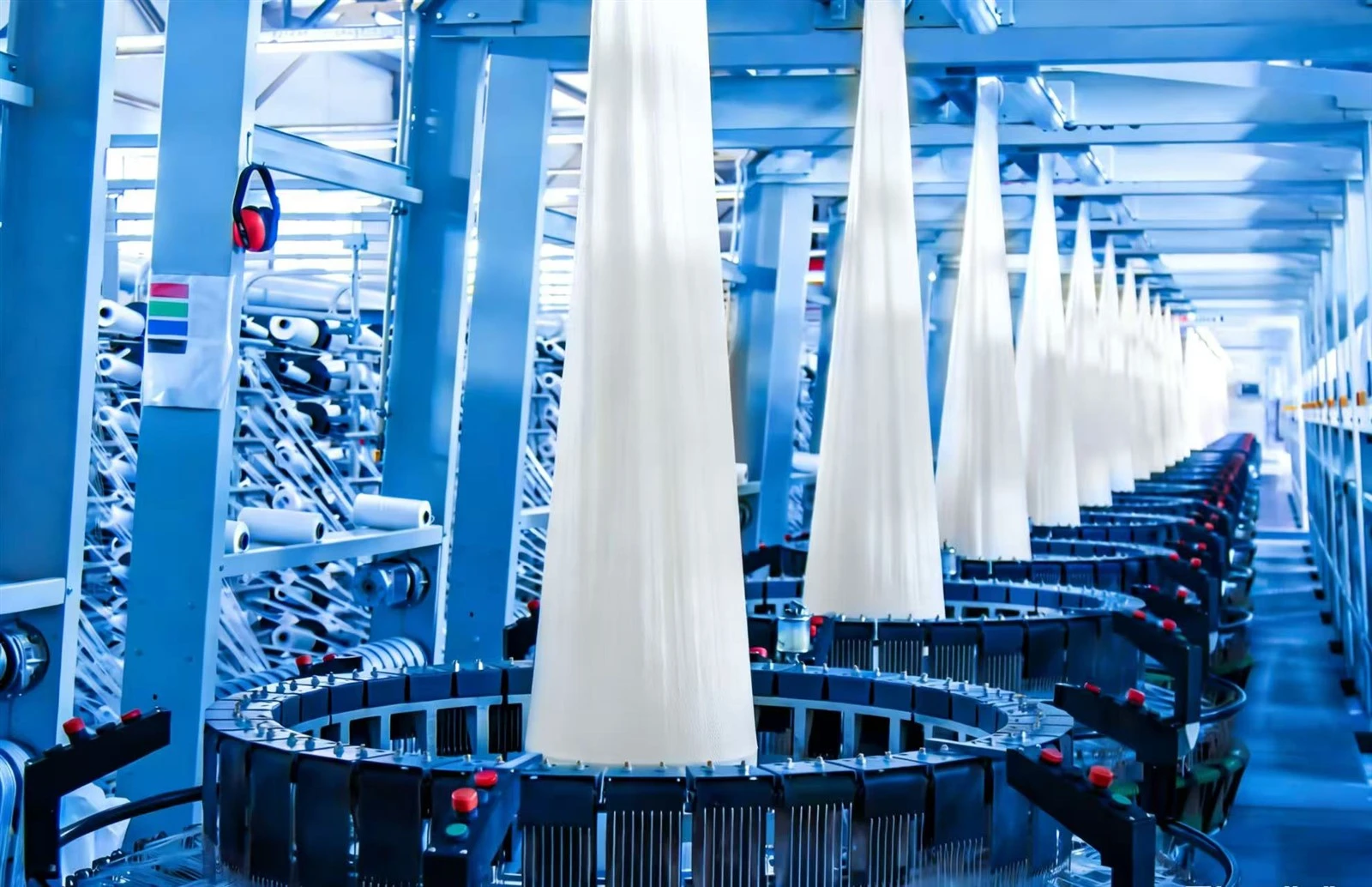
Applications of Silicone Defoamer in Textiles
- Dyeing and Finishing: Prevents foam from disrupting dye uptake and finish quality.
- Washing and Scouring: Ensures efficient cleaning by preventing foam-induced delays.
- Wastewater Treatment: Works as part of industrial water treatment chemicals to manage foam in effluents.
Read More: The Role Of Antifoam in Wastewater Treatment
In conclusion, for foam produced in textile production, silicone antifoam is a good choice. If you need antifoam products or other industrial water treatment chemicals, welcome to contact us. We can provide you with high quality and cost-effective products.